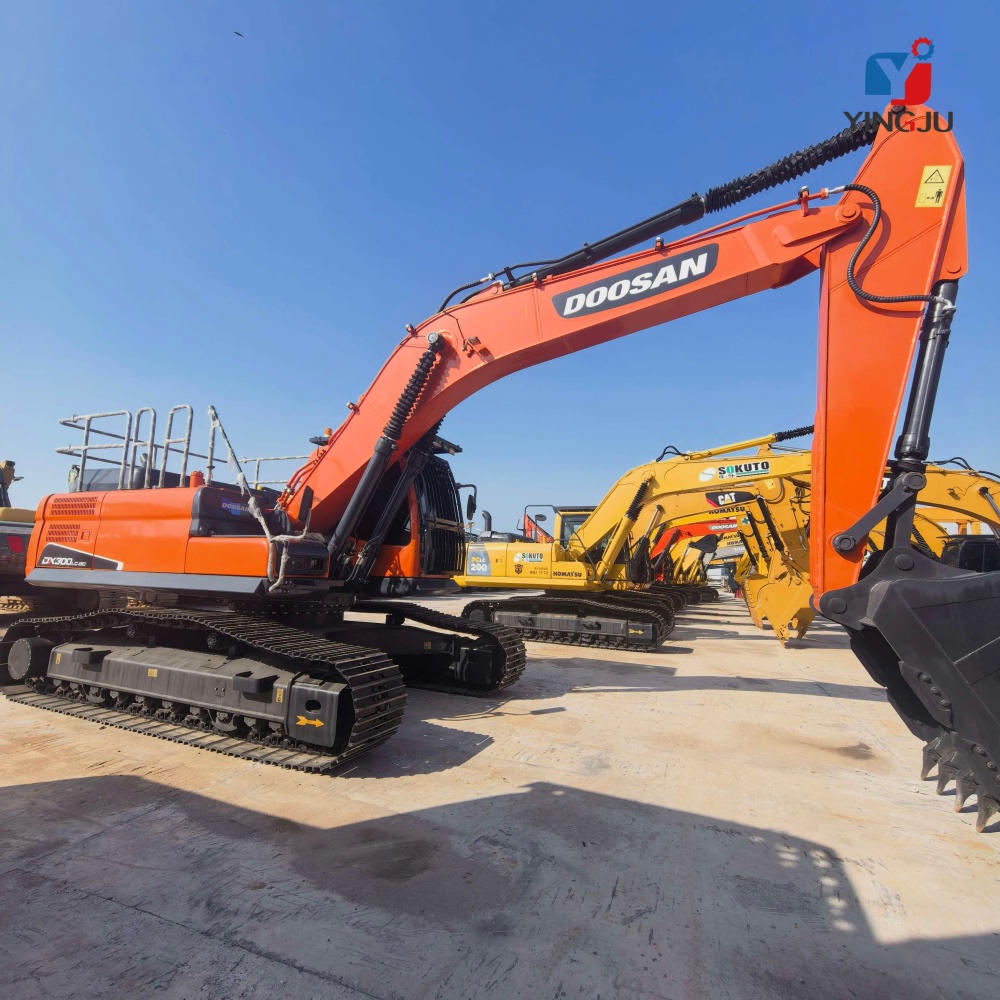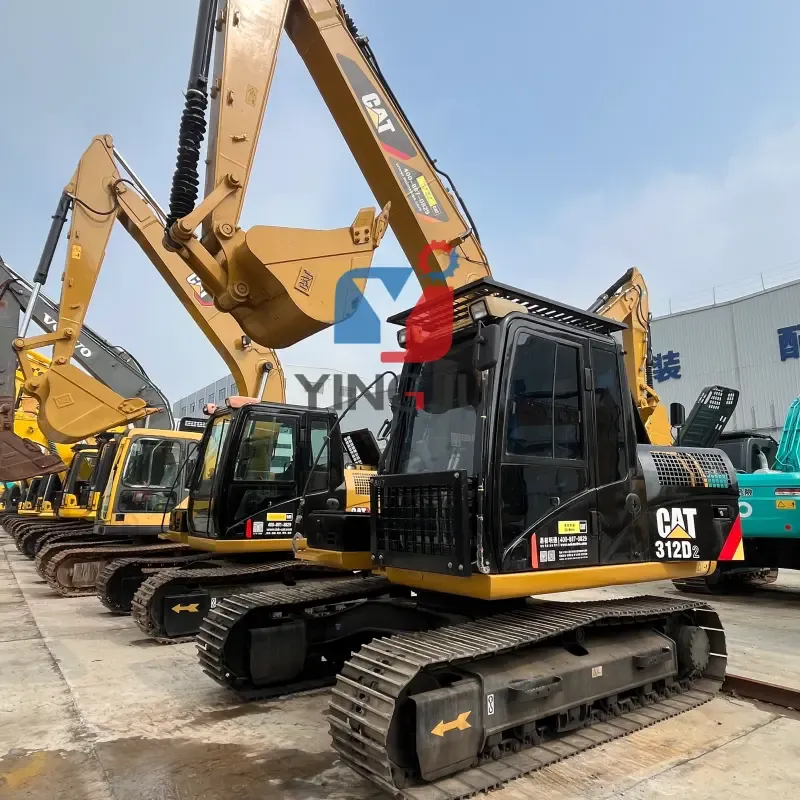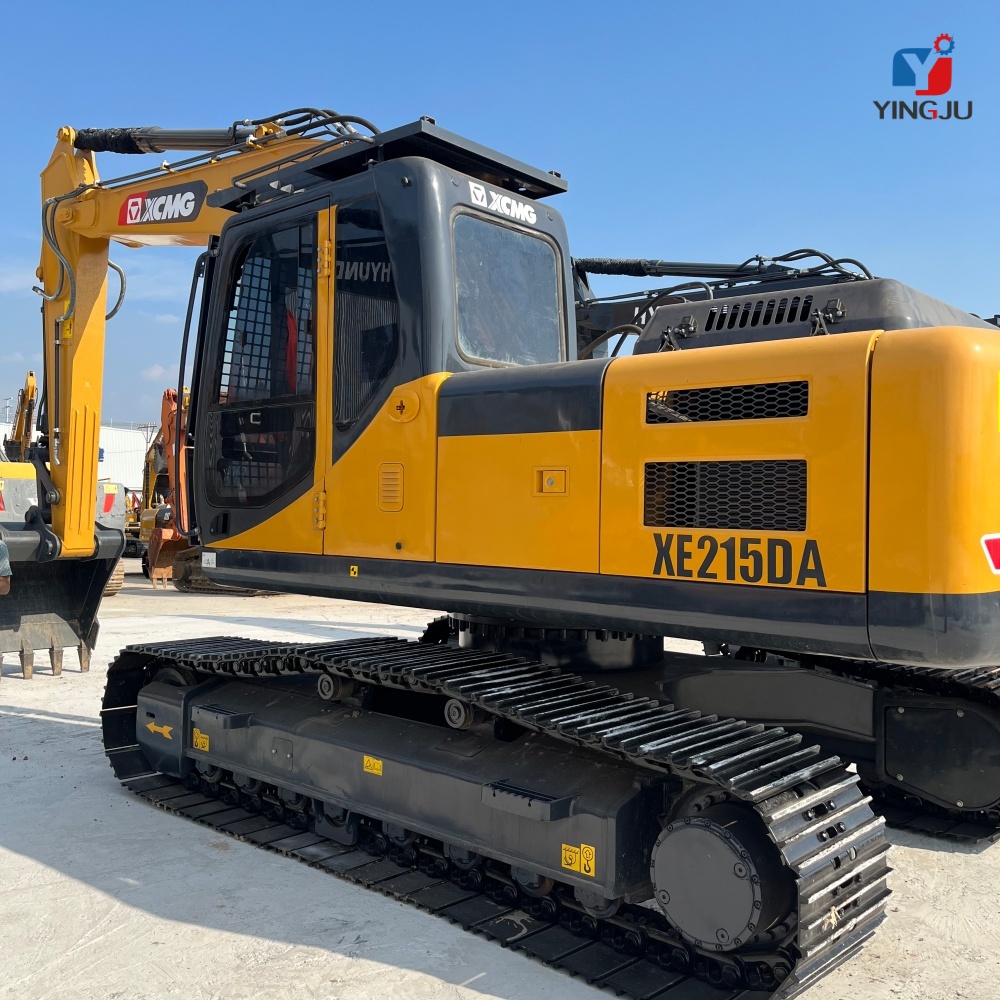
Buying a used excavator from China remotely is safe when every decision is based on evidence about the specific machine, not on generic claims. This guide walks through the process Yingju Machinery uses with buyers in Africa, the Middle East and Southeast Asia — from choosing a size to receiving the machine at your port.
1. Define the job before you look at machines
The right excavator is the one that matches your work, not the cheapest listing. Write down the main tasks (trenching, foundation digging, truck loading, quarry work), the digging depth you need, the ground conditions and any site-access limits. Mini excavators of 1–6 tons suit utilities, orchards and tight sites; 7–15 tons cover small civil works and drainage; 20 tons and above handle bulk earthmoving and quarry loading.
Also check your transport limits early. Machines up to roughly mini-excavator size often fit inside a shipping container, while larger units need a flat rack or RoRo vessel, which changes the freight budget.
2. Read the listing like an inspector
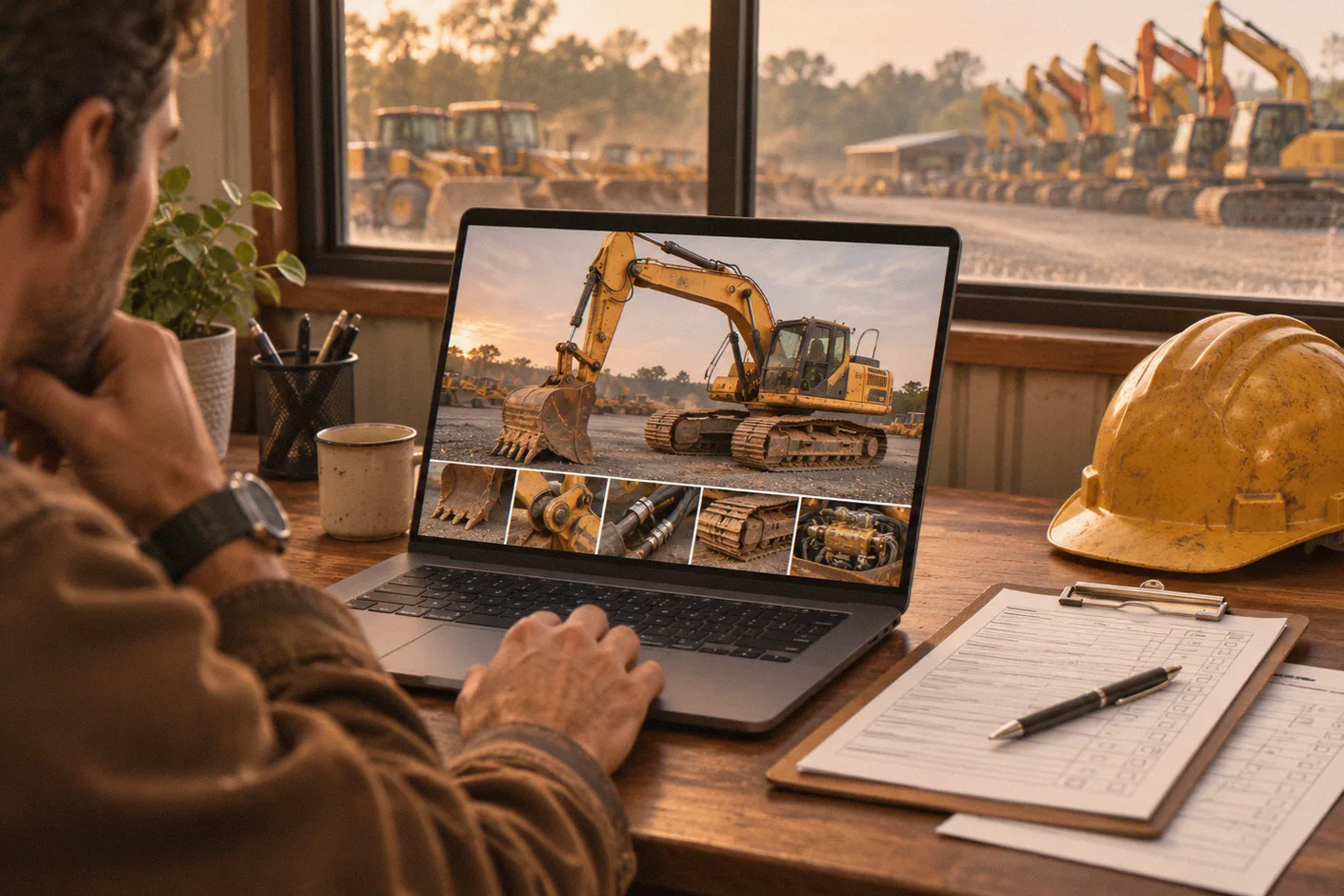
A useful listing tells you the brand, exact model, year, hour-meter reading, location and price basis. On Yingju Machinery listings, a "From US$" figure is the machine price only; if no price is set the listing shows "Price on request". Treat a missing field as a question to ask, not a detail to ignore.
Remember that an hour-meter reading is a reading, not proof of lifetime hours. Compare it with visible wear on pins, bushings, the undercarriage and the operator cab.
3. Collect evidence for the exact unit
Remote buying works when all the evidence clearly belongs to one machine. Ask for:
- A photo of the serial plate and the hour meter
- A continuous cold-start video from a cold engine, showing smoke clearing and idle stability
- A hydraulic-cycle test: boom, arm, bucket, swing and travel under load, watching for slow functions or drift
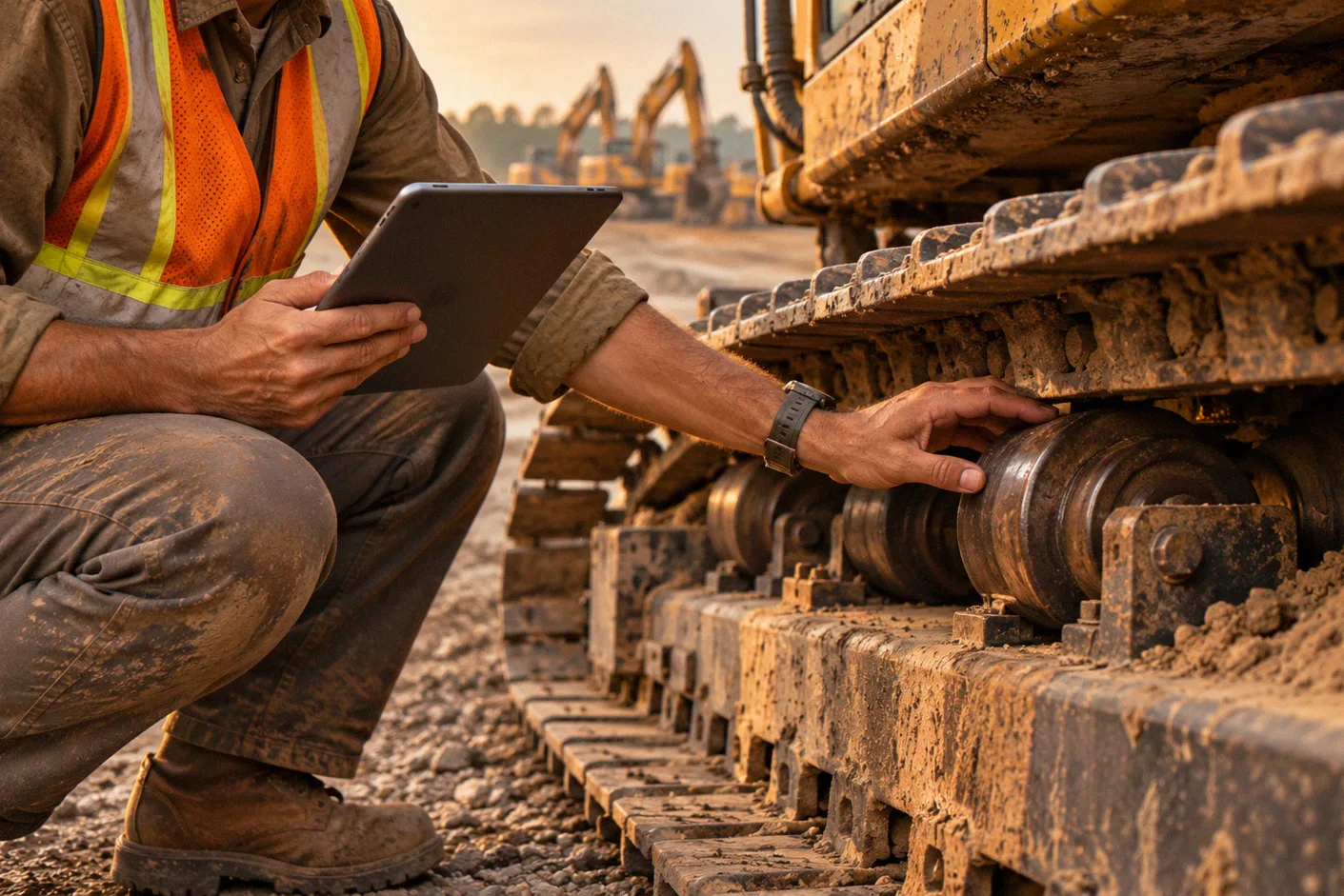
- Close-ups of the undercarriage (track links, rollers, idlers, sprockets), the boom and arm (looking for cracks or re-welding) and the chassis
- Disclosure of any known accident or structural repair
For higher-value purchases, appoint an independent third-party inspector. Yingju Machinery facilitates third-party inspections at its yard near the Hefei office and can also run a live video demonstration of the unit.
4. Understand what your quotation includes
A transparent quotation separates the machine price from everything else. Check that it states the currency, the trade term and named port, the validity period, and lists each cost line: machine, agreed preparation or repairs, inland transport to the port, export handling, and ocean freight if included. Destination duties, taxes and port charges are usually paid at your end, so ask your customs broker for an estimate before you compare offers.
If you are buying several machines, ask for a combined quote. Multi-unit orders often qualify for better pricing and can share containers or a single RoRo booking.
5. Plan the shipment and documents
The shipping method depends on transport dimensions, weight, whether the machine can be driven and the services available on your route. Container shipping suits small machines; flat racks carry oversized tracked machines; RoRo suits machines that can be driven or towed aboard; bulk or break-bulk is used for very large cargo. Our shipping method calculator gives a first recommendation from the machine's dimensions.
Before loading, your supplier should provide a load plan, lashing drawing and weight certificate, and handle export customs documentation in China. On the import side, a local customs broker clears the machine; Yingju Machinery can recommend brokers it knows.
6. After delivery: parts and support
Ask before you buy how parts will be sourced. Brands with dealer networks in your country are easier to maintain, and a supplier with its own repair shop can source genuine parts and accessories later. Keep the inspection evidence and quotation on file — they are your baseline record of the machine's condition at purchase.
Summary checklist
- Define the job, size and transport limits.
- Shortlist units with full listing data.
- Collect serial plate, hour meter, cold-start and hydraulic videos, and component photos.
- Consider a third-party inspection.
- Get an itemized written quotation.
- Confirm shipping method, documents and your customs broker.
Ready to start? Browse current inventory or request a quote with your machine requirements and destination port.
Written by
Yingju Machinery Export Team
The export team at Hefei Yingju Mechanical Equipment Co., Ltd. has sourced, inspected and shipped used construction machinery from Hefei, China.